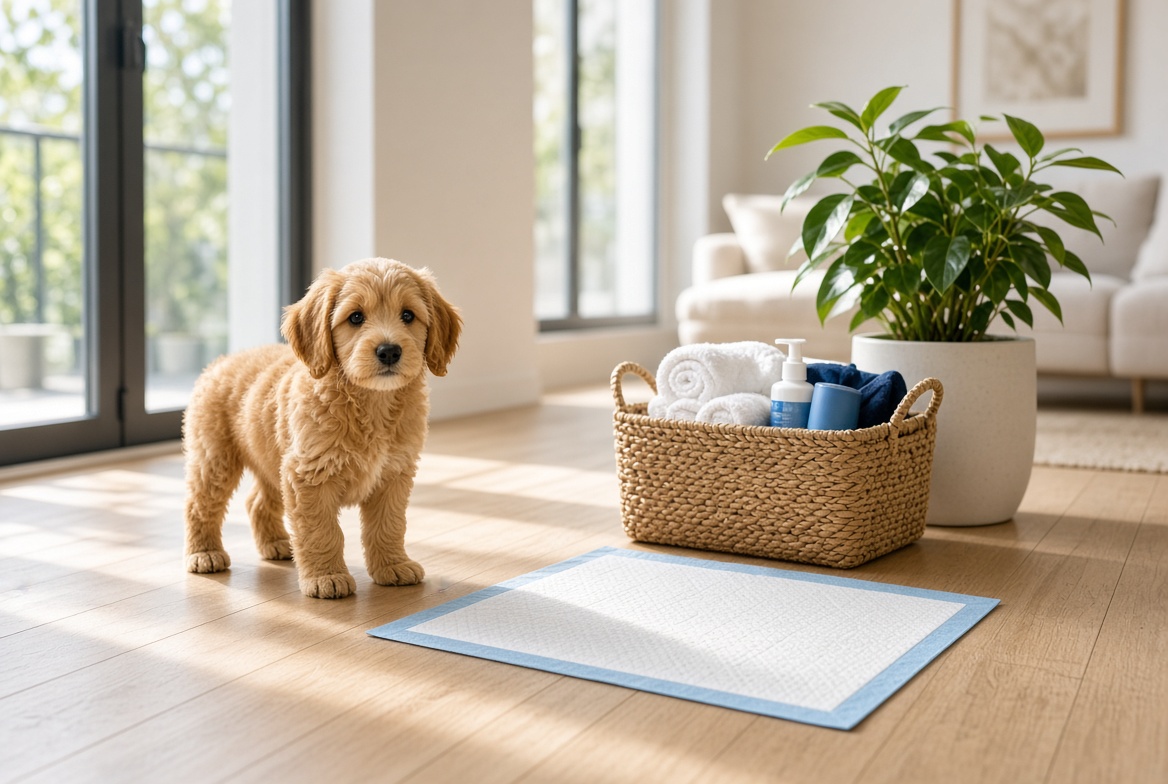
Indoor sanitation solutions represent a vital component of modern canine care, providing a controlled environment for waste elimination. Absorbent training pads, colloquially known as pee pads or puppy pads, offer a convenient and hygienic mechanism for managing canine elimination behaviors. Whether utilized for early-stage housebreaking, urban high-rise living, senior pet care, or inclement weather scenarios, these multi-layered pads rely on advanced material science to maintain domestic hygiene.
Mechanics of Absorption: How Dog Pads Function
Understanding how do puppy pads work requires examining the multi-layered material composition designed to trap liquids and neutralize odorous compounds. Rather than acting as simple absorbent sheets, modern pads function as engineered liquid containment systems.
[Layered Architecture of a Standard Dog Pad]

Layer 1: Hydrophilic Non-Woven Top Sheet (Fast Liquid Pass-Through)
           │
Layer 2: Quilted Tissue Layer (Rapid Fluid Dispersion)
           │
Layer 3: Super Absorbent Polymer Core (SAP - Liquid-to-Gel Lock)
           │
Layer 4: Heavy-Duty Fluff Pulp (Secondary Absorbency Reservoir)
           │
Layer 5: Polyethylene/Polypropylene Backing (Impermeable Leak Barrier)
-
Hydrophilic Non-Woven Top Sheet: The surface layer allows fluid to pass quickly through into the lower core while remaining dry to the touch, preventing paw tracking across household floors.
-
Super Absorbent Polymer (SAP) Core: At the center lies a network of cross-linked sodium polyacrylate polymers. These microscopic crystals can absorb hundreds of times their weight in liquid, converting urine into an immobile gel within seconds.
-
Pheromone Attractants: Many commercial pads are infused with synthetic attractant pheromones that mimic natural urine scent markers, guiding dogs toward the target area through olfactory stimulation.
-
Leak-Proof Polyethylene Backing: The bottom layer consists of a waterproof plastic lining that protects underlying carpets, hardwood, or tile from liquid saturation.
Core Advantages of Indoor Elimination Pads
Implementing indoor dog pads offers numerous practical and biological advantages across various stages of a canine’s life.
| Advantage Category | Primary Mechanism | Target Benefit |
| Early Housebreaking | Designated target area with attractants | Accelerates potty training for young puppies |
| Urban & High-Rise Living | Immediate indoor access | Eliminates transit delay in tall buildings |
| Incontinence & Senior Care | Low-barrier, local elimination point | Reduces joint stress and accidental indoor leaks |
| Inclement Weather Protection | Climate-controlled indoor routine | Prevents exposure to extreme cold, rain, or storms |
| Post-Surgical Recovery | Restricted mobility support | Prevents wound contamination from outdoor soil |
Step-by-Step Implementation: How to Use Pee Pads
Establishing a reliable indoor potty routine requires consistency, strategic placement, and behavioral reinforcement. Knowing how to use pee pads for dogs effectively reduces accidents and speeds up habit formation.
[Targeted Training Workflow]

Restrict Access Area ──> Observe Elimination Cues ──> Prompt to Pad ──> Immediate Positive Reinforcement
Step 1: Strategic Placement
Select an easily accessible, quiet location away from your dog’s sleeping, feeding, and water areas. Bathrooms, laundry rooms, or tile utility spaces work best due to easy cleanup in case of minor overshoots. Avoid moving the pad frequently during initial training, as spatial consistency reinforces the habit.
Step 2: Recognizing Elimination Triggers
Anticipate when your dog will need to eliminate. Common trigger moments include:
-
Immediately upon waking up in the morning or after naps.
-
Within 15 to 20 minutes following meals or heavy water consumption.
-
Directly after energetic play sessions.
-
When displaying pre-elimination behaviors, such as intense sniffing, circling, or restlessness.
Step 3: Guiding and Rewarding
When these cues appear, immediately direct your dog to the designated pad. Stand quietly nearby to avoid distraction. As soon as elimination occurs on the pad, provide quiet verbal praise and a high-value treat within three seconds to build a strong psychological association between the pad surface and positive reinforcement.
Long-Term Viability: Can Dogs Use Pee Pads Indefinitely?
A common question among pet owners navigating indoor sanitation options is whether can dogs use pee pads forever. The short answer is yes; dogs can safely and successfully utilize indoor pee pads as their primary elimination substrate throughout their entire lives, provided proper hygienic standards and structural setups are maintained.
[Long-Term Indoor Substrate Options]

Standard Single-Use Disposable Pads  ──> High convenience, ongoing recurring waste
Reusable / Washable Fabric Pads     ──> Sustainable, requires daily laundering routine
Real / Synthetic Grass Trays         ──> Mimics natural terrain, requires tray flushing
Scenarios Favoring Lifetime Pad Use
-
Senior Dogs with Medical Conditions: Canines suffering from canine cognitive dysfunction, osteoarthritis, or severe renal disease often struggle with bladder control or mobility, making indoor pads an essential permanent accessibility tool.
-
Extreme Urban Environments: In high-density metropolitan areas where outdoor grass is inaccessible or weather conditions are routinely severe, permanent indoor setups offer a safe, practical alternative.
-
Small Breed Physiology: Toy and miniature breeds have smaller bladders and higher metabolic rates, requiring more frequent elimination opportunities than working or large breeds.
Maintenance and Hygiene for Lifetime Usage
For permanent indoor pad reliance, hygienic maintenance is critical to prevent odors and bacterial growth:
-
Replace disposable pads or wash reusable fabric pads immediately following elimination.
-
Use specialized tray holders with elevated grates to prevent dogs from tearing pads or stepping directly in wet areas.
-
Clean underlying flooring regularly with enzymatic cleansers to break down lingering organic uric acid salts.
Conclusion
Absorbent dog pads serve as an effective, versatile tool for indoor canine waste management. Understanding the underlying technology of absorbent polymer cores, establishing proper training protocols, and selecting substrate options tailored to your lifestyle allows for seamless integration into your daily pet care routine. Whether used temporarily during puppyhood or permanently for senior care, indoor elimination systems support household sanitation and long-term canine well-being.